



The King of Pop has finally returned to the big screen. Michael, the long-awaited biopic about Michael Jackson's life, hit theaters and IMAX on April 24, 2026 — and audiences showed up in massive numbers. But while the box office numbers are breaking records, the critical reception is anything but unanimous.
A Star-Studded, Big-Budget Production
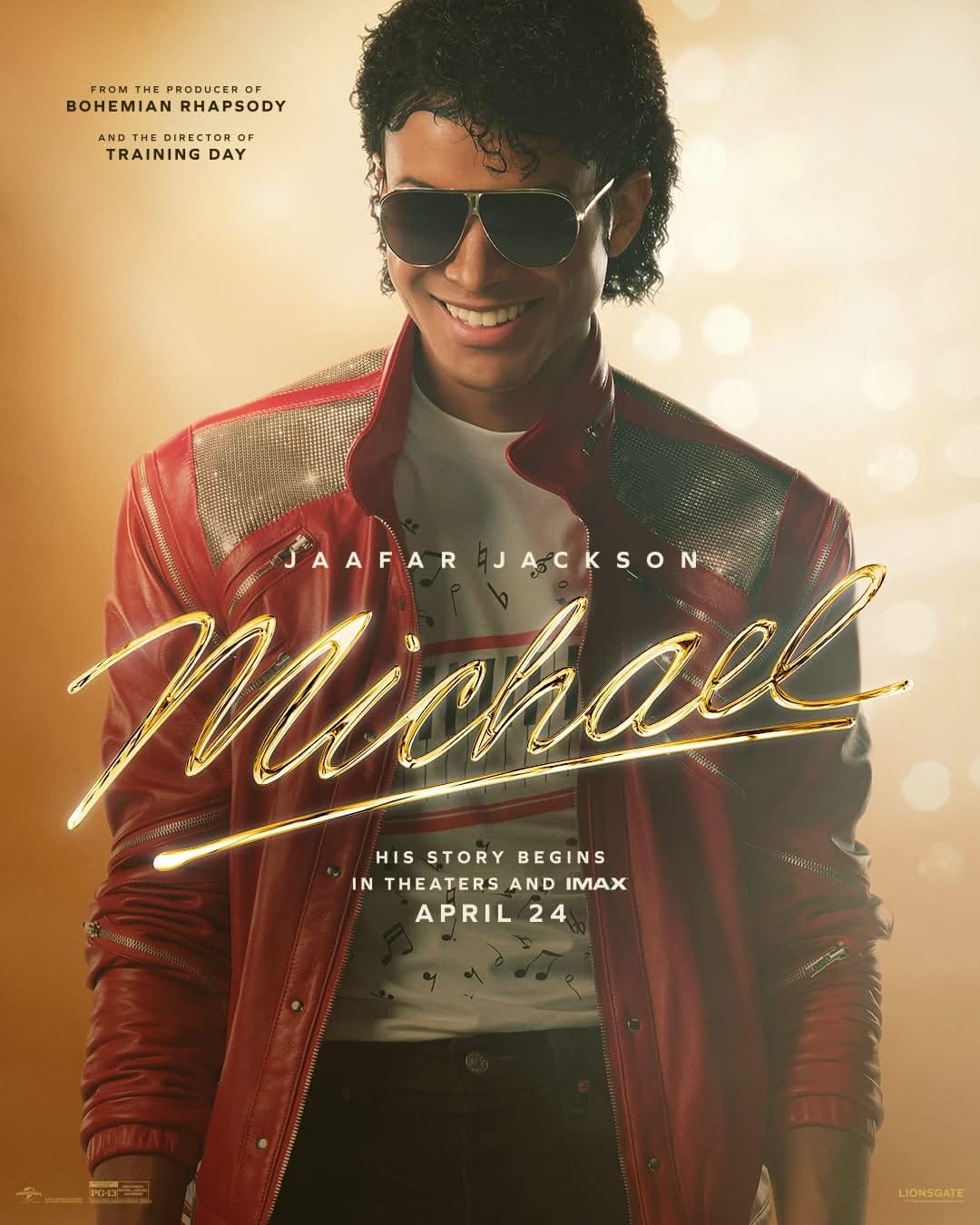
Directed by Antoine Fuqua (Training Day) and distributed by Lionsgate, Michael is a cinematic event years in the making. The film traces Jackson's journey from his childhood in Gary, Indiana, through his years as the lead of the Jackson 5, to the iconic Bad tour of 1988. Jackson is portrayed by his real-life nephew, Jaafar Jackson, in a remarkable film debut, with young Juliano Krue Valdi playing Michael as a child. The supporting cast includes Miles Teller, Colman Domingo, and Nia Long as Joe and Katherine Jackson.
Made on a reported budget of approximately $155 million, the film is an undeniable visual spectacle. Recreations of iconic moments — from the Thriller video shoot to the legendary Motown 25 "Billie Jean" performance — have been widely praised as genuinely electrifying.
Breaking Box Office Records
Despite mixed critical reviews, audiences couldn't stay away. Michael grossed nearly $40 million on its opening day alone and is projected to earn between $90 million and $100 million over its opening weekend — positioning it as the second-biggest domestic opening of 2026, trailing only The Super Mario Galaxy Movie. Globally, the film has already set single-day box office records for a biopic in France, Brazil, the U.K., Italy, and Australia.
On audience-driven platforms, the film is resonating strongly: it holds a 7.6/10 on IMDb and a 3.6/5 on Letterboxd.
Critics vs. Audiences: A Divided Room
Here's where things get complicated. Critics have been far less enthusiastic. Michael currently sits at a Metacritic score of 39 — "generally unfavorable" — with only 18% of professional critics giving it a positive review. The BBC called it "a bland and barely competent daytime TV movie," criticizing its removal of "everything that could be considered dramatic". The New York Times summarized the problem succinctly: the film "leaves too much unsaid".
The central controversy surrounds the film's deliberate choice to end in 1988 — five years before the first child sexual abuse allegations against Jackson emerged. One industry source was blunt: "It feels like a deliberate effort to sidestep the most difficult chapters — audiences are left with spectacle rather than substance". The film was produced in cooperation with the Jackson estate, raising questions about editorial independence.
Star Colman Domingo pushed back on the criticism, explaining: "The film spans the '60s to 1988... We focus on the creation of Michael. It's a personal portrayal of who Michael is." He also teased that a potential sequel could explore later events.
The Performances Deserve Praise
Amid the debate, one thing critics and audiences agree on is that Jaafar Jackson is extraordinary. MovieFreak.com wrote that he "balances open-hearted, childlike innocence with a mournfully somber internalized pathos" — and that he "deserves a far better film" given the quality of his work. His casting was a masterstroke: who better to channel the King of Pop than someone who grew up in his orbit?
The Verdict
Michael is a paradox — a technically dazzling, emotionally crowd-pleasing experience built on a foundation of deliberate omissions. Whether you view it as a loving tribute or a sanitized PR exercise will likely depend on how much of the full Michael Jackson story you expect it to tell. One thing is certain: this conversation is just getting started, and a sequel seems all but inevitable.
Michael is now playing in theaters and IMAX nationwide.


Discussion